
Before Borders: African Civilizations and Systems of Knowledge
The African Studies series by The Black Activation Movement and The Black Diaspora Institute was created to provide a space where Africa can be studied from African perspectives. Throughout this series, scholars and practitioners engage with histories, ideas, and experiences that have too often been overlooked, marginalised, or interpreted through Eurocentric frameworks.
This first session, led by Dr. Walter Nkwi Gam, explored pre-colonial Africa and invited participants to reconsider dominant historical narratives. The reflections below highlight some of the key themes, discussions, and questions that emerged throughout the lecture.
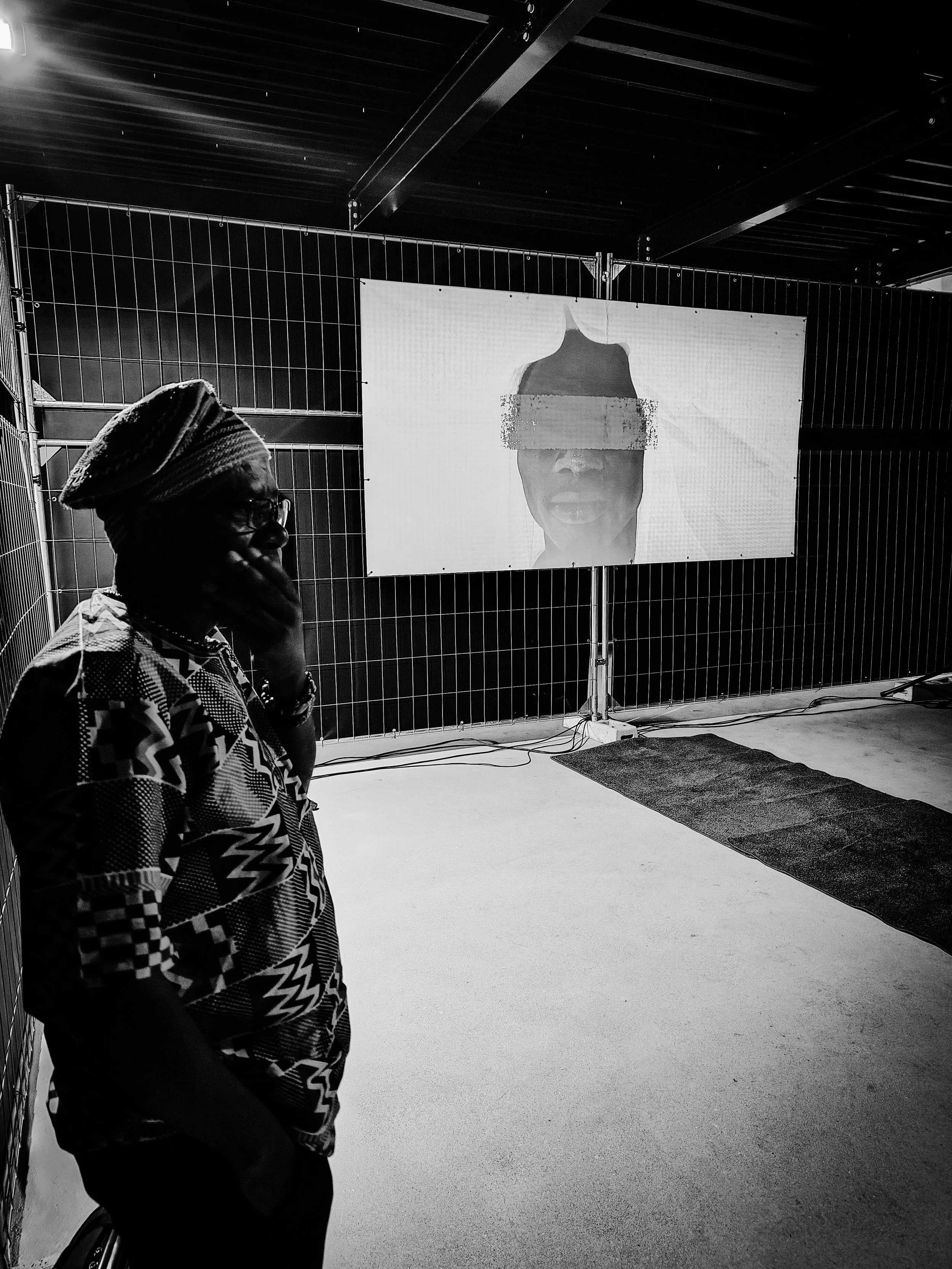
Why do we have to prove that Africa has a history?
The first session of our African Studies series invited participants to examine pre-colonial Africa through an African perspective. At the heart of Dr. Walter Nkwi Gam’s lecture was a proposition that continues to challenge dominant historical narratives: Africa was once the centre of the world. Before colonisation, he argued, the continent was far more advanced than it is often given credit for today. Yet convincing people of this remains difficult because of the narratives they have long been taught.
According to Dr. Walter Nkwi Gam, this is largely the result of the time and effort Eurocentric scholars have invested in constructing and maintaining the image of Africa as a dark continent without a history, a continent supposedly in need of civilisation. A central aim of the lecture was therefore to challenge and reconsider this long-standing narrative.
This raises a number of important questions. On what foundations are the ways in which Africa has been portrayed, and continues to be portrayed, actually based? And why, as a consequence, are we still required to prove that Africa does indeed have a history, and a rich one at that, as evidenced by historical records and the legacies left behind by its civilisations? Civilisations are an essential part of every culture and society. The same is true for African civilisations, which were established by Africans themselves and sustained across generations.
One example discussed during the lecture was ancient Egyptian civilisation, renowned for its geography, political stability, the institution of the pharaohs, religion, social organisation, the fertility provided by the Nile, food production, trade, transportation, and its agricultural calendar.
The lecture also turned to the great civilisations of West Africa. Today, West Africa consists of many different nation-states as a consequence of colonialism, during which African civilisations that once existed within larger empires were dismantled. Among them was the Mali Empire, renowned for Mansa Musa, whose pilgrimage to Mecca placed Mali on the map and brought worldwide recognition to the empire. Under his rule, Timbuktu developed into a centre of Islamic scholarship, attracting people from across the world to study the religion. As Dr. Walter Nkwi Gam emphasised, it is impossible to speak about Mali and Timbuktu without mentioning Mansa Musa. Timbuktu was a centre of knowledge, distinguished by the rigour of its own scholarly tradition.
Finally, attention was given to the Swahili civilisation. What made East Africa particularly renowned was the Swahili Coast, which remained a vibrant and dynamic region for a long period. Through the Indian Ocean, the Swahili Coast maintained connections with India and China. Trade flourished because of the monsoon winds, which enabled merchants to sail in one direction during part of the year and return in the opposite direction during another. As the lecture illustrated, Africa was never isolated but has long been interconnected, with its different regions linked through extensive networks of exchange.
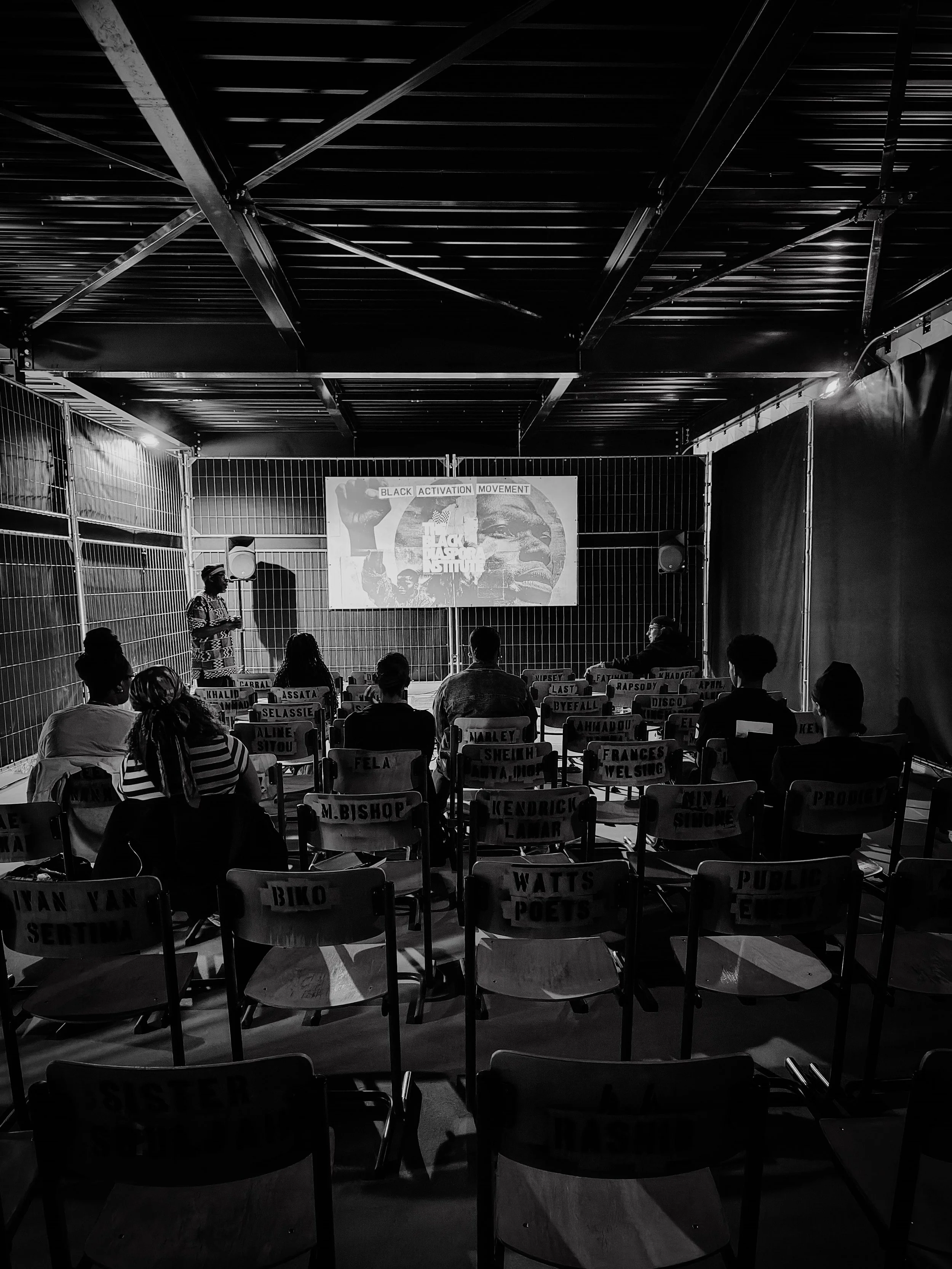
Are Eurocentric Institutions the Place for African Perspectives?
The question-and-answer session gave rise to a number of thought-provoking discussions. Above all, it became evident that Dr. Walter Nkwi Gam’s passion lies in telling the history of pre-colonial Africa. As he emphasised throughout the discussion, the history of Africa neither began with the arrival of Europeans nor ended with their departure and the formal end of the colonial period.
Building on the argument introduced at the beginning of the lecture, Dr. Walter Nkwi Gam further explained how Africa has frequently been reduced to the background within Eurocentric scholarship. Such representations create the impression that Africa occupied no meaningful place in world history and that Africans made no significant contributions to it.
According to the discussion, these narratives have become deeply embedded within educational systems and the ideas through which many people have been taught to understand the continent. This also presents a challenge in the classroom. Students often arrive having been exposed to years of propaganda and misinformation about Africa, leaving them with deeply rooted misconceptions and, at times, prejudices. The task of the educator, therefore, is first to uncover the assumptions students hold about Africa before replacing them with a more accurate understanding.
As the discussion further highlighted, this is not always an easy task, particularly for those teaching within institutional structures that are not always designed to encourage alternative perspectives but rather to preserve existing ones. Challenging dominant narratives, adopting different positions, and approaching the subject from an African perspective can result in ridicule or dismissal. For many African students and academics, this reinforces the feeling that being "good" is never enough and that deviating from established norms may ultimately influence their academic or professional careers within such institutions.
This raises an important question. Are these existing institutions the spaces in which we ultimately want to make our voices heard, and should our ambition be to seek validation within them? Or is it time to reconsider where African perspectives can be produced, shared, and strengthened on their own terms?
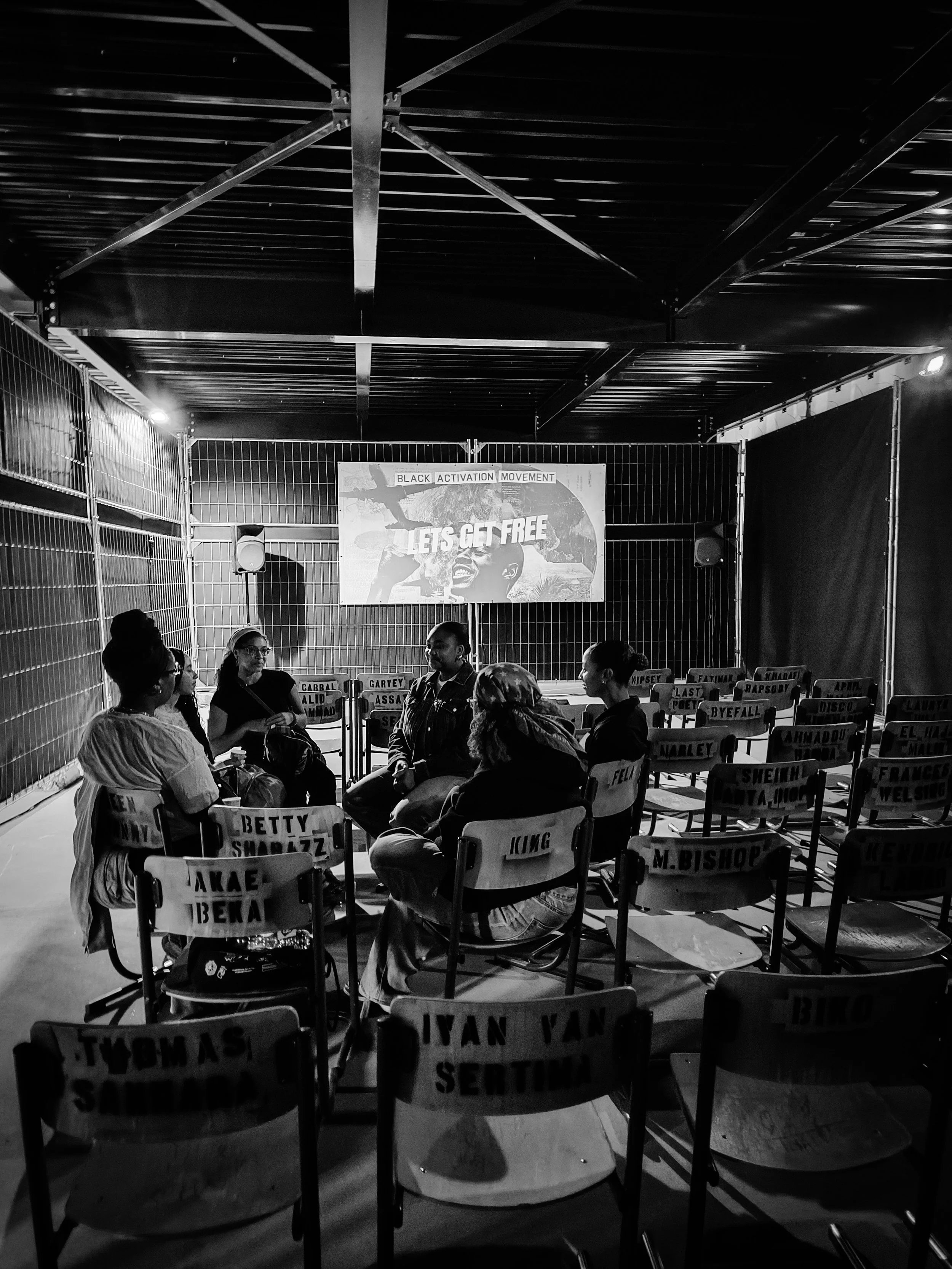
Our Role in Rewriting Africa’s Misrepresented History
The image of Africa and Africans has long been misrepresented. This leaves us with an important question: what are we doing to rewrite this history in real time? Before colonisation, the African continent was a flourishing continent. Every society has its own history, yet one of our greatest challenges remains the rewriting of African history in ways that reflect its own realities and historical experiences.
Equally important is the need to explore alternative ways of engaging with and communicating this history, whether through academia or other platforms. This is particularly relevant in the context of the digital age, which offers new possibilities for producing, sharing, and preserving knowledge.
It is precisely here that The Black Activation Movement and The Black Diaspora Institute position themselves as an alternative through this African Studies series. We build upon the work that has already been done while remaining firmly action-driven in our approach. At the same time, we want to make clear that this is our call to continue that work. Rather than accepting the idea that there are no alternatives, we choose to build in real time and demonstrate that alternatives do exist. This program is one of them.
Learning from our people, for our people. And this is only the beginning.
What’s Next?
Our next African Studies class will take place on Saturday, 25 July, and will be led by Dr. Nawal Mustafa. The session, titled The Scramble and the Divide: Colonialism and Political Fragmentation, will explore the colonial partitioning of Africa and its enduring political consequences.
We look forward to welcoming you as we continue this journey of learning from our people, for our people.